100 Miles Down the River How to Survive the River
Storm cycles, hull bites, and staying in the light.
Survival fantasy, practical rules
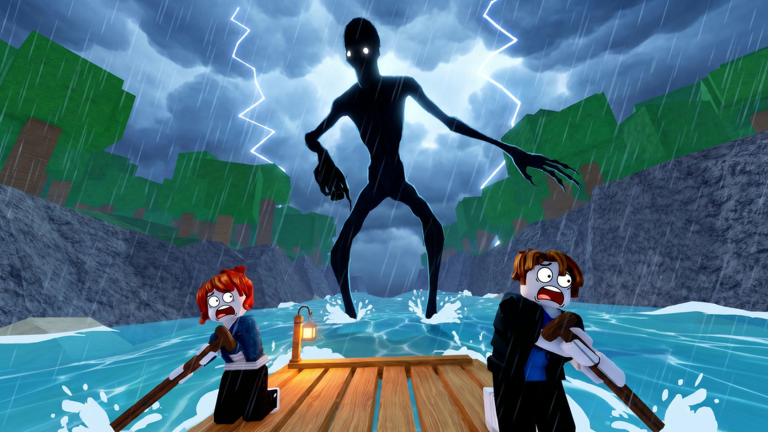
100 Miles Down the River sells a clear nightmare: the storm is not weather dressing — something inside it hunts players who leave the light. Add fish that chew rafts, currents that spin loose decks, icy stretches, and waterfalls, and you get a checklist game disguised as horror. This guide turns that fantasy into habits. Cross-link Storm Gear, Raft Building, and co-op roles.
The non-negotiable light rule
If thunder builds:
- Call “storm prep.”
- Pull scavengers aboard.
- Ignite or verify the mid-deck light.
- Confirm fuel count out loud.
- Hold position or slow-drift inside the glow.
Leaving the bubble to “peek the monster” is how lobbies wipe. Content creators who survive film from inside the light.
Storm cycle playbook
Pre-storm
Watch the sky and tree line. Wind audio often precedes darkness. Top off fuel, cancel shore trips, and move kits to the repair lead’s hotbar (controls).
Peak storm
Nobody solos the woods. Paddle only to keep the raft off rocks. Repair bites instantly. If light flickers, fuel is the emergency — not mileage.
Post-storm
Repair to full, recount fuel, then loot. Never loot first. Reset roles and decide whether to push miles or reinforce plating via the tier list.
Fish bites and hull trauma
Community footage shows fish attacking the raft hard enough to threaten sinks. Survival response:
- Hear or see the bite → call side (port/starboard/bow/stern).
- Repair lead moves inside the light.
- Spend a kit; do not wait for “one more bite.”
- If boards are already missing, paddle to a calm eddy before rebuilding (raft upgrades).
A raft that is 80% healthy entering a waterfall is safer than a 100% healthy raft entering with zero kits.
Tree-line hunter pressure
Silhouettes in the trees punish greed. Rules of thumb:
- Shore trips under 15–20 seconds during risky weather.
- Always a buddy if you leave the raft in fog.
- Never camp the woods overnight “for lore.” Story props and guardian signs can wait for clear skies — see Reach Mile 100 for when lore stops matter.
Current, ice, and waterfall discipline
- Current: desynced paddles spin you; assign a captain.
- Icy water: treat as a mobility debuff zone — no fancy jumps.
- Waterfalls: line up early, stash loose items, lights on, no shore detours mid-approach.
These set-pieces define late mileage more than raw scrap income.
Resource triage under pressure
When you must choose:
- Light fuel
- Repair kits
- Plating
- Propulsion
- Everything else
Codes that grant free kits or fuel are survival items, not fashion money.
Solo survival differences
Solo players combine every role. Mount light permanently, keep kits beside it, and accept fewer shore stops. Your win condition is patience, not heroics.
Recovery after a near-wipe
- Count living players aboard.
- Relight.
- Patch the worst hole.
- Drift to the safest bank.
- Rebuild minimum plating before re-entering the main flow.
- Review which call failed — usually a silent scavenger or empty fuel can.
Mental model
Think of the river as a raid with weather enrages. Miles are a score; light uptime is the real HP bar. Crews that obsess over mileage counters die with impressive numbers and zero finishes. Crews that obsess over storm prep eventually threaten Mile 100.
Practice goals for one evening
- Survive two full storm cycles without a swim.
- Complete three successful bite repairs.
- Finish a shore loot under a countdown.
- Rebuild one corner brace mid-run.
Then attempt a structured push with Reach Mile 100.
Related pages
Frequently Asked Questions
Quick answers for river survivors.
What is the most important survival rule?
Stay in the light during storms and repair fish damage immediately.
Should I explore the woods at night?
No. Tree-line threats punish overnight greed — wait for clear weather.
How do I stop the raft from sinking?
Stock repair kits, brace corners, and answer bite callouts without delay.
Is solo survival possible?
Yes, but slower. Mount a permanent light and minimize shore trips.